TransHimalaya
Dreshey
Tibet Then and Now
Archival and contemporary photographs by Katia Buffetrille — visual records of a changing plateau.
For centuries, the Jokhang Temple, built by Emperor Songtsen Gampo (c. 605–650), stood as Lhasa’s historical and spiritual heart. Home to the Jowo, Tibet’s most revered statue, it drew pilgrims from across the land of snow, for whom “he who has not been to Lhasa has only half-lived.” In the square before the temple, two monuments bore silent witness to history: a stone pillar inscribed with the 822 AD Sino-Tibetan peace treaty, and a 1794 stele erected by a representative of the Chinese emperor bearing instructions on how to respond to a smallpox outbreak.
-
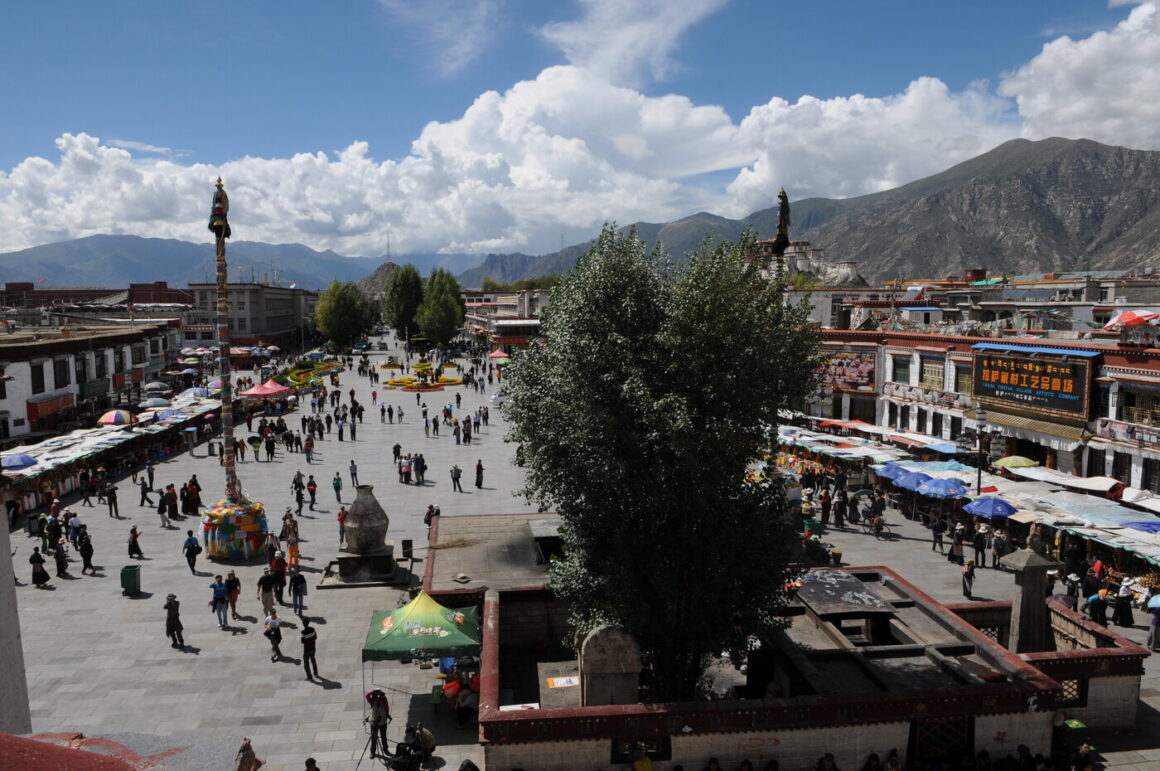 Jokhang square with the Stele seen in the enclosing, 1996 © Katia Buffetrille
-
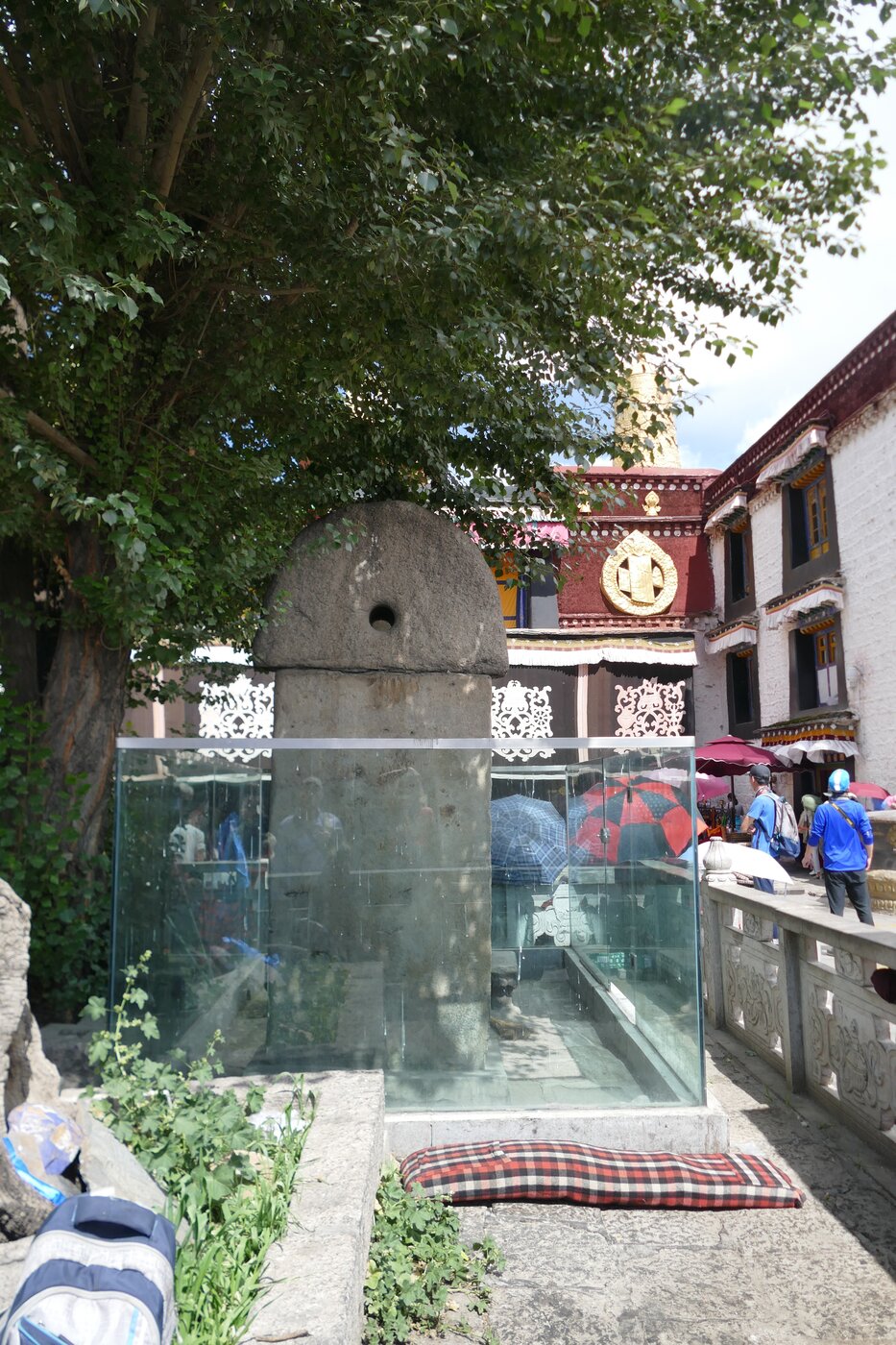 The 822 AD Sino-Tibetan peace-treaty Stele, 2017 © Katia Buffetrille
-
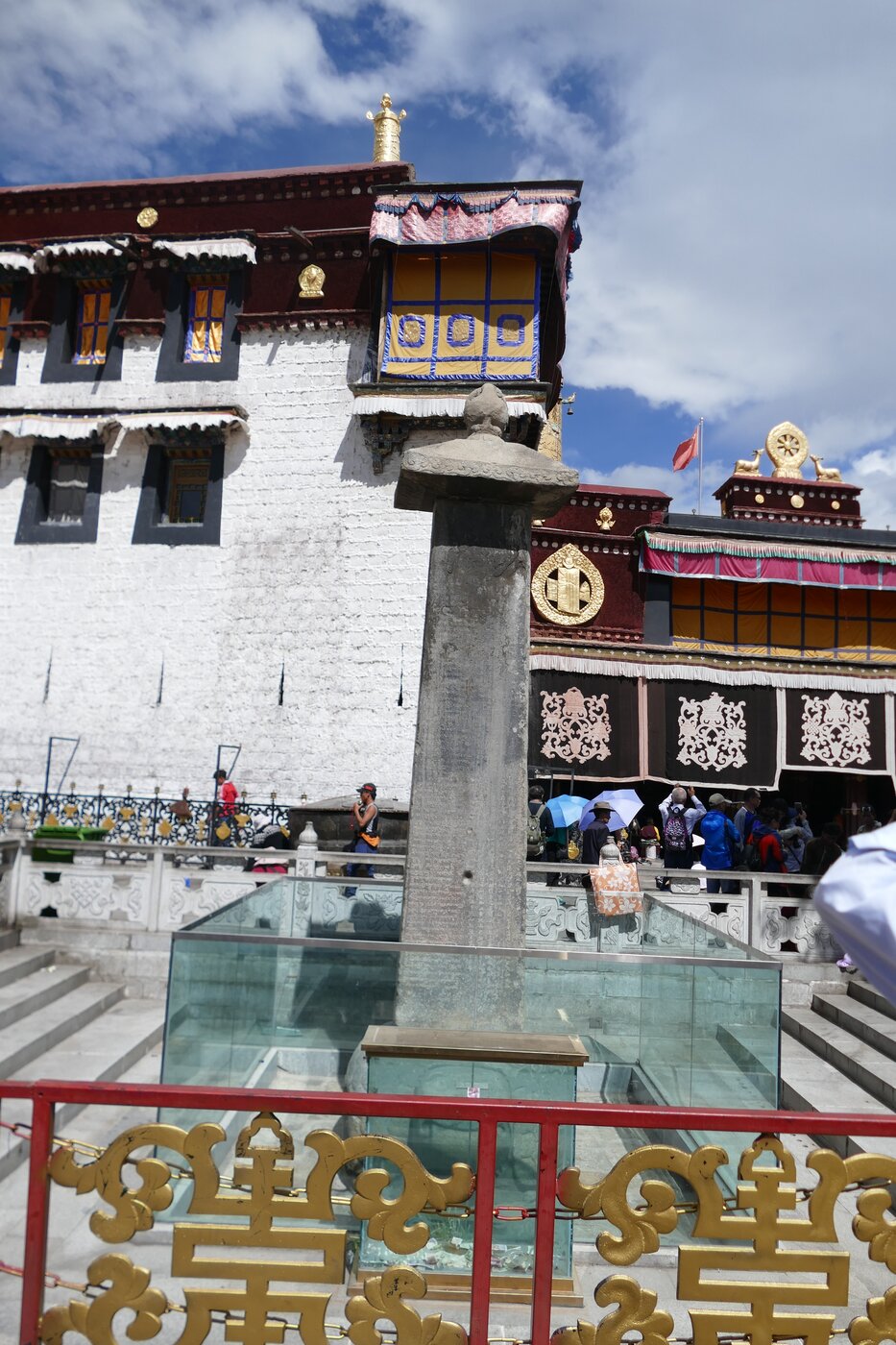 The 1794 Pillar, 2017 © Katia Buffetrille
-
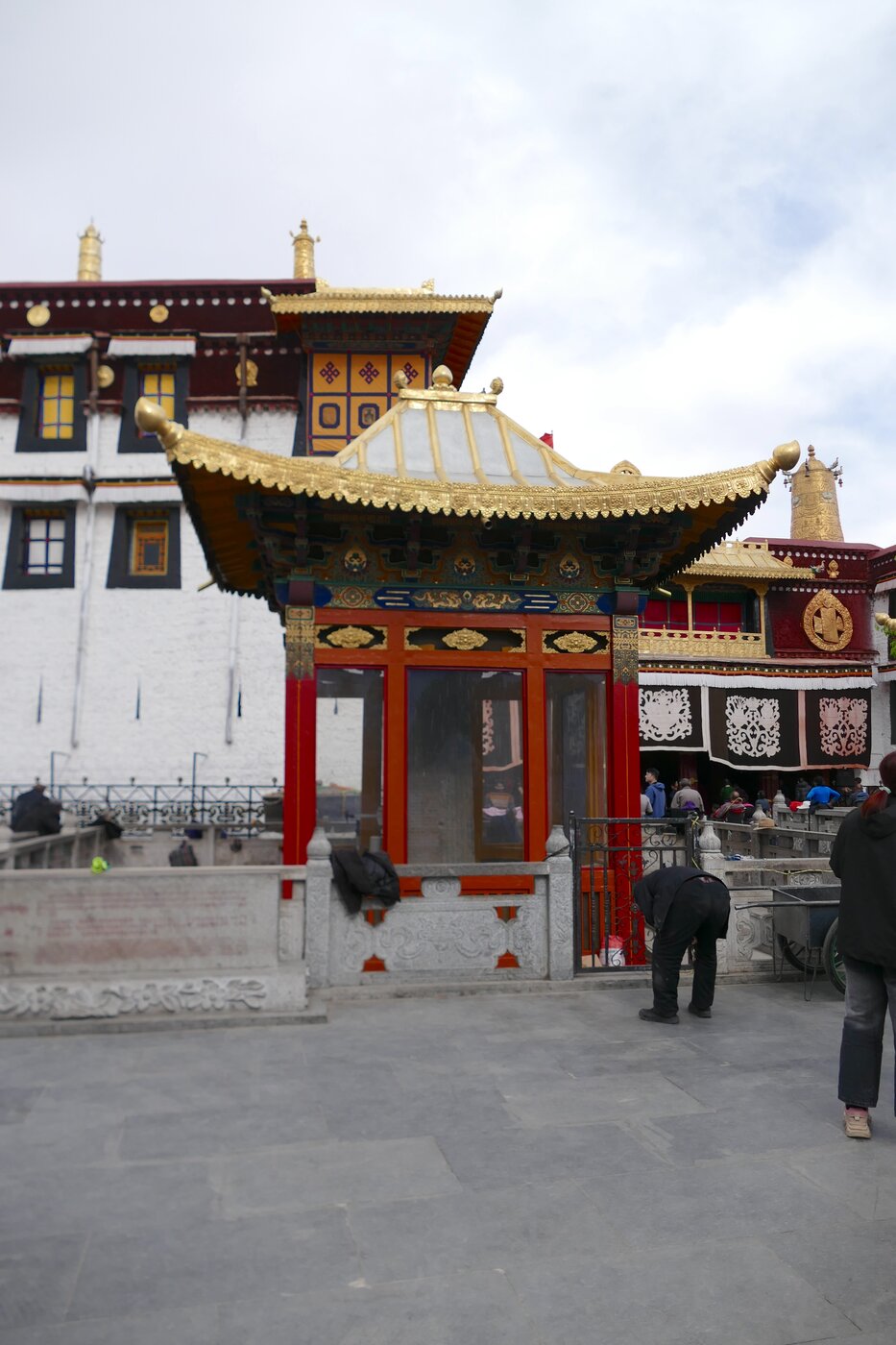 The same 1794 Pillar, now enclosed in a Chinese pavilion, 2024 © Katia Buffetrille
The 822 stele declares that “in order that this agreement establishing a great era when Tibetans shall be happy in Tibet and Chinese shall be happy in China shall never [be] changed, the Three Jewels, the body of saints, the sun and moon, planets and stars have been invoked as witnesses.”
In 2019, while the world was under lockdown, Chinese pavilions were erected over both steles — an attempt to reinforce the claim that Tibet has been part of China since ancient times. As the Chinese adage goes, “to erase a nation, first erase its history.” Yet the historical record tells a different story.
Stay Connected
Subscribe to our newsletter for the latest stories, insights, and opportunities from the Himalayas.